
Educators play a vital role in helping children build empathy, confidence, and curiosity about the world around them.
Our Building Anti-Bias Classrooms Program is for early childhood educators, preschool teams, and school communities seeking research-informed tools, high-quality picture books, and practical strategies to foster inclusive, responsive classrooms. If you are an educator looking to strengthen your classroom or school community, Story Starters offers structured, supportive programs that meet you where you are.”
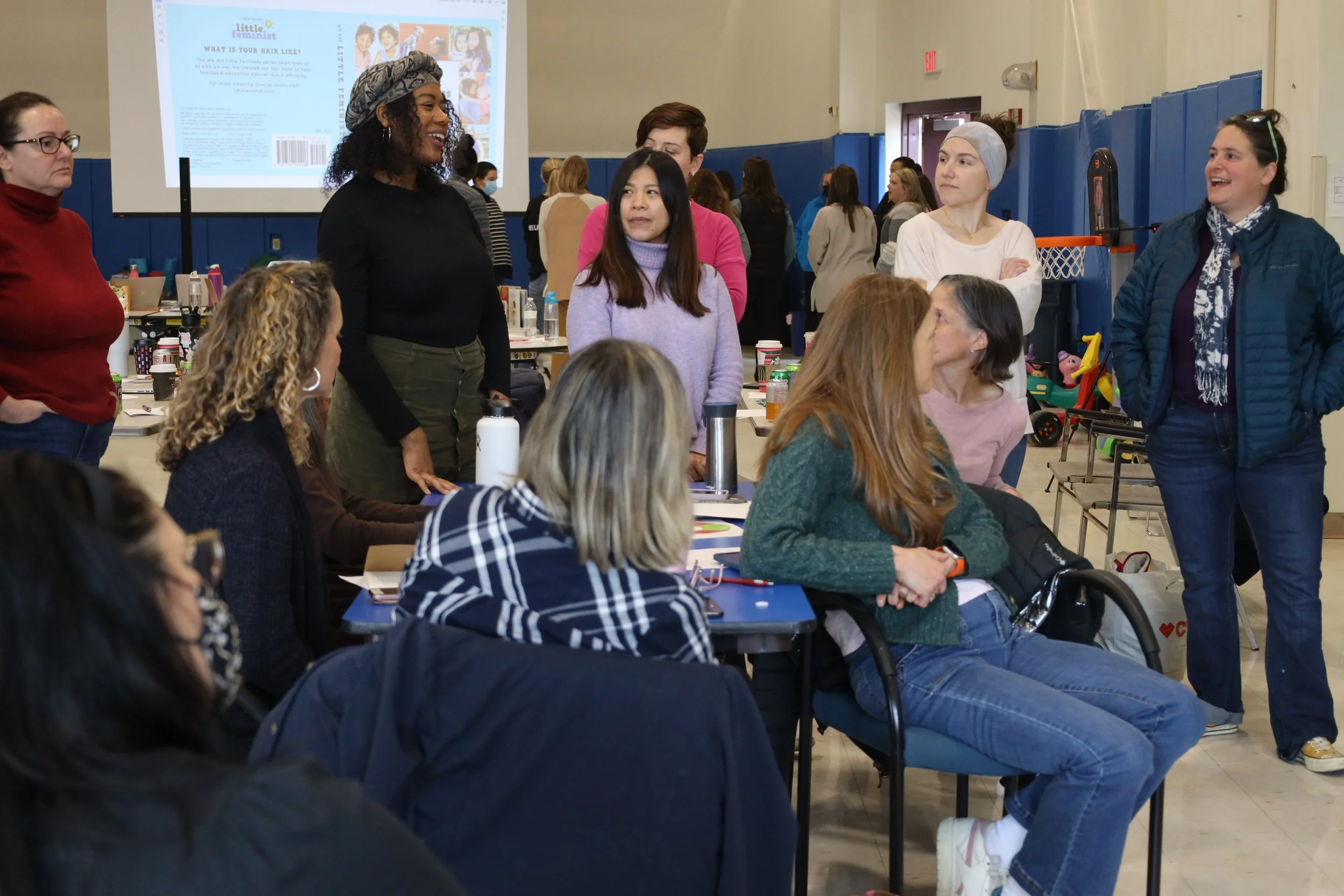
Educators Receive
Four 2-hour professional learning sessions
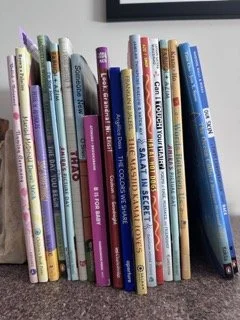
A curated set of diverse children’s books
Conversation guides and ready-to-use classroom activities
Practical strategies for building inclusive, anti-bias classrooms
Coaching and support between sessions
Opportunities for collaboration with your educator team
FAQs
-
Story Starters programs are designed for early childhood schools and educators who want to support children in their care to be curious, compassionate, and confident.
Our Building Anti-Bias Classrooms Program is for early childhood educators, preschool teams, and school communities seeking research-informed tools, high-quality diverse books, and practical strategies to foster inclusive, responsive classrooms.
If you are an educator looking to strengthen your classroom or school community, Story Starters offers structured, supportive programs that meet you where you are.
-
Research shows that children begin noticing race as early as 6 months old and start forming racial preferences and biases between ages 2 and 4. By elementary school, many of these ideas are already deeply shaped by what children see, hear, and experience in the world around them.
We start young because these early years are a powerful window for helping children make sense of difference with curiosity, compassion, and confidence—before misinformation or bias has a chance to take root.
Talking openly and age-appropriately about race does not create bias; it reduces it. When adults name what children are already noticing, provide language for fairness and kindness, and share high-quality, picture books, children develop healthier, more inclusive ways of understanding themselves and others.
Starting early isn’t about having “big” conversations—it’s about building small, frequent habits that grow with your students and strengthen their ability to navigate our diverse world with empathy and clarity. In a 2019 study of preK-2 grade teachers ... almost half reported witnessing biased statements or discriminatory behaviors among children (Farago et al, 2019).
-
Our educator programs are designed to be structured, meaningful, and flexible.
Building Anti-Bias Classrooms is typically delivered over the course of a school year and includes four 2-hour sessions tailored to your school’s schedule and goals. Educators participate in professional learning workshops, coaching, and receive classroom materials, with opportunities to apply new strategies in real time.
We can also customize programming to one or two sessions to meet your school’s needs. While multi-session engagement is most effective for building lasting habits of mind and heart, we understand time and budget constraints and work with schools to find the right fit.
-
The cost of our programs reflects the high-quality books, materials, coaching, and professional learning we provide to families and educators. We know budgets vary, and we’re committed to helping schools and communities access this work. We would love to partner with you in securing funding—whether through your local education foundation, or another community grant opportunity—to make Building Anti-Bias Classrooms possible for your school.
-
Core sessions cover the following content areas:
Building Background Knowledge,
Noticing and Naming Skin Color
Individuating
Danger of a Single Story
Decentering Whiteness and Centering BIPOC Voices
Fairness, Equity and Equality
Where we’ve been

Brookline Early Education Program
"We've participated in many training sessions as a staff team, but the work that we did with Story Starters was so practical and useful, we can use the tools every day we are teaching kids. Our work with Story Starters created space for us as a school to engage in conversations about race and equity with each other and to think more intentionally about how to have these conversations in the classroom. The extension of this work to include families also strengthens our home school connections – central to the work we do in early childhood.
—Margaret Eberhardt, Principal
Newton Early Childhood Program (NECP)
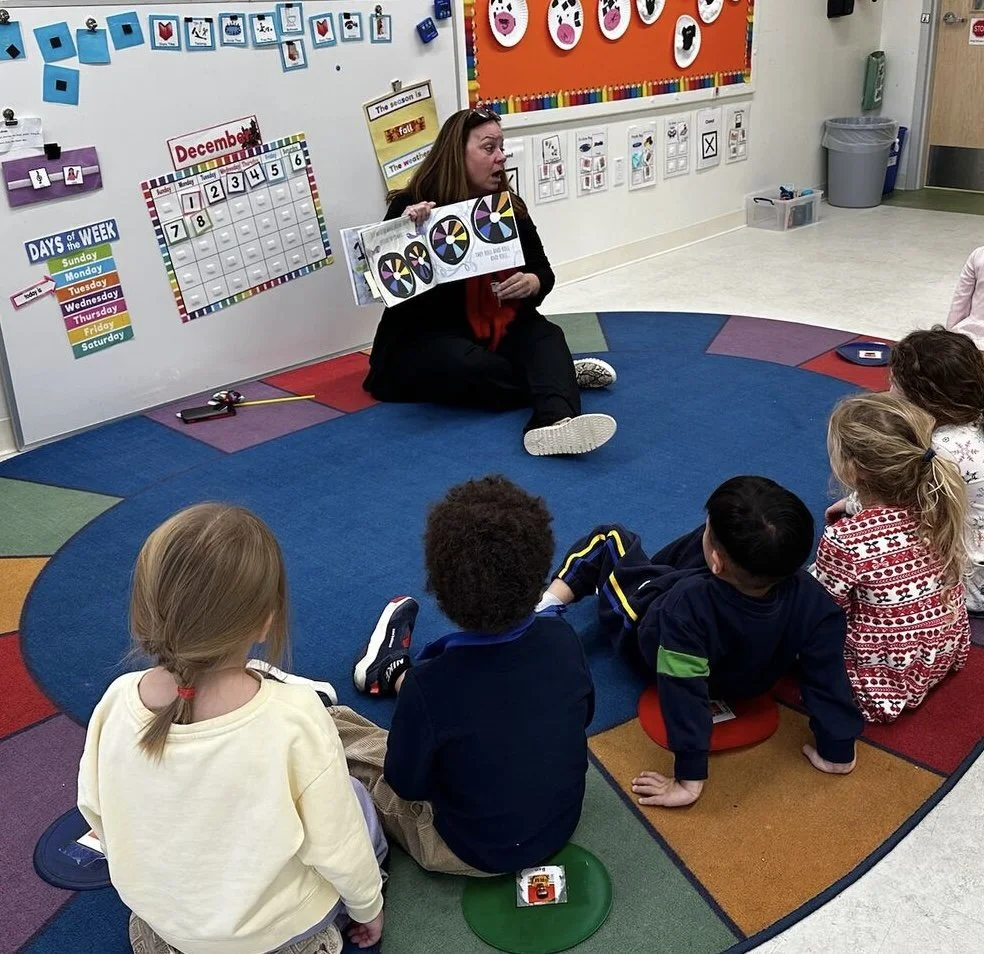
“In 2021, Newton Early Childhood Program (NECP) staff participated in Story Starters first Building Anti-Bias Classrooms professional development. Staff engaged deeply in topics such as the danger of a single story, fairness, equality versus equity, and decentering whiteness. This learning directly informed classroom practice through the “All About Us” teacher project, where Story Starters resources were used to frame lessons, activities, and book selections with children. At the same time, district-wide work around RID and Equity/Inclusion was underway, and the two efforts complemented one another well. As a school leader, this work has pushed me to more deeply examine inequities within NECP and the preschool system overall, and to think intentionally about how we can reach and better serve students from marginalized groups. It has also shaped my thinking around engaging culturally and linguistically diverse families and reintroducing culturally responsive practices, particularly family engagement and presentations.”
—Kathleen Browning, Director