
Curiosity starts early.
So does bias.
Children notice race early, and avoiding conversations or teaching colorblindness does not prevent them from forming racial biases. Research shows that thoughtful, age-appropriate conversations help reduce bias and build kids’ sense of empathy and fairness.
Initiating these conversations doesn’t come easy for most caregivers. That’s why we’re here. We understand the strategies that disrupt bias and promote curiosity and compassion. We’re excited to share tools that work and guide meaningful conversations between you and the young people in your life!
The Facts that Guide Our Programs:
1
Children Notice Race Earlier Than We Think
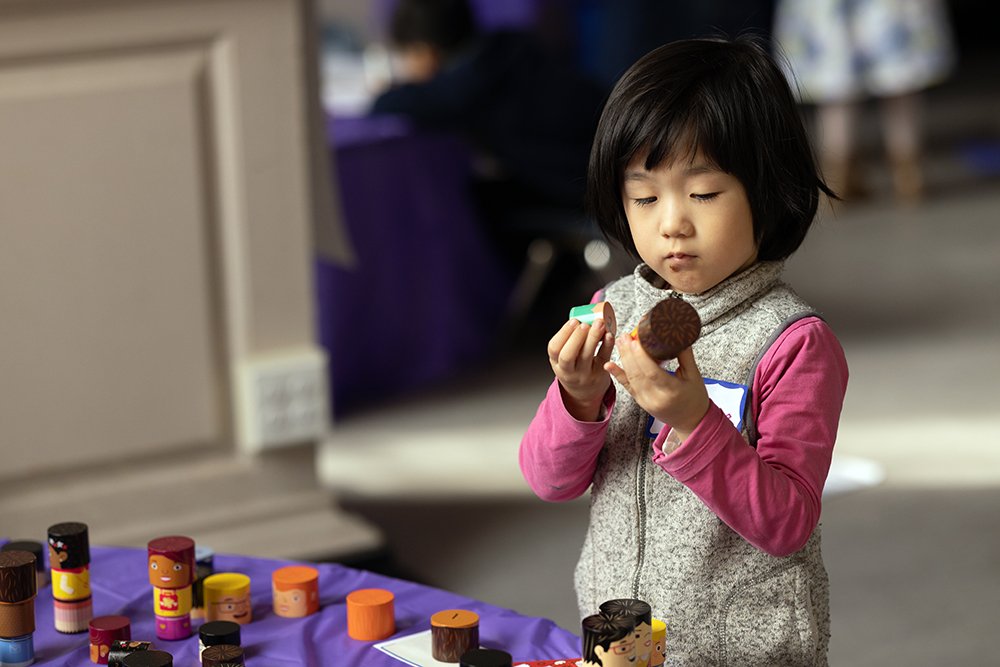
Research shows that children begin noticing racial differences as early as 6 months old and start forming racial preferences and biases between ages 2–4.
This means that very young children are constructing meaning around the concept of race and racial difference regardless of whether the adults in their life are explicitly addressing it with them.
2

Silence Does Not
Prevent Bias
When adults avoid conversations about race, children still absorb messages from media, peers, and racially segregated environments. Without guidance, biases are left unchecked, and silence can unintentionally reinforce harmful stereotypes. Children may also come to believe that race is a taboo topic, making it harder for them to speak up when they have questions or notice unfairness that’s based on race.

3
Colorblindness Is
Harmful
Many American adults have been taught to be “colorblind,” and to act as though a person’s race is irrelevant. While this strategy may have been well-intentioned, research clearly shows that this approach can prevent children from recognizing inequality and understanding others’ lived experiences.
Ignoring race does not eliminate racism — it limits children’s ability to identify and challenge it.
4
Talking About Race Makes a Difference
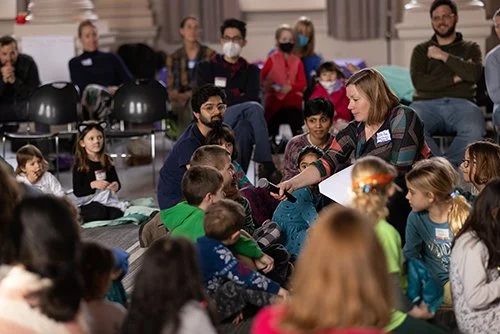
Studies show that color-conscious conversations about race and racism reduce racial bias in children.
Children whose caregivers talk openly about race are less likely to approve of discrimination and more likely to value fairness.

5
Stories + Conversations Are Powerful
While today’s caregivers are often more intentional about selecting books for their children that represent and celebrate our society’s racial diversity, books alone are not enough.
When stories are paired with guided conversation, children build the language, empathy, and critical thinking skills needed to navigate difference with confidence.