
PARENT GUIDE #2
Danger of a Single Story
Next we’ll focus on how to shatter stereotypes through the application of two skills: individuating and avoiding a single story. Author Chimamanda Ngozi Adiche said “The problem with stereotypes is not that they are untrue, but that they are incomplete. They make one story become the only story.” Believing and teaching stereotypes supports the formation of racial bias. Click here to watch her 19-minute TED Talk.
Individuation is the practice of noticing what is unique about individuals. When we see and point out what is specific about each person, it becomes difficult to believe stereotypes. A related antidote for stereotyping is hearing multiple stories within one group of people. One way to hear multiple stories is to read many books that highlight the similarities and differences between individuals within a particular racial or cultural group.
To get you started, we’ve chosen a two-book set to give you an opportunity to practice individuating and seeking additional information about people who are Muslim.
Books
Pre-K Books:
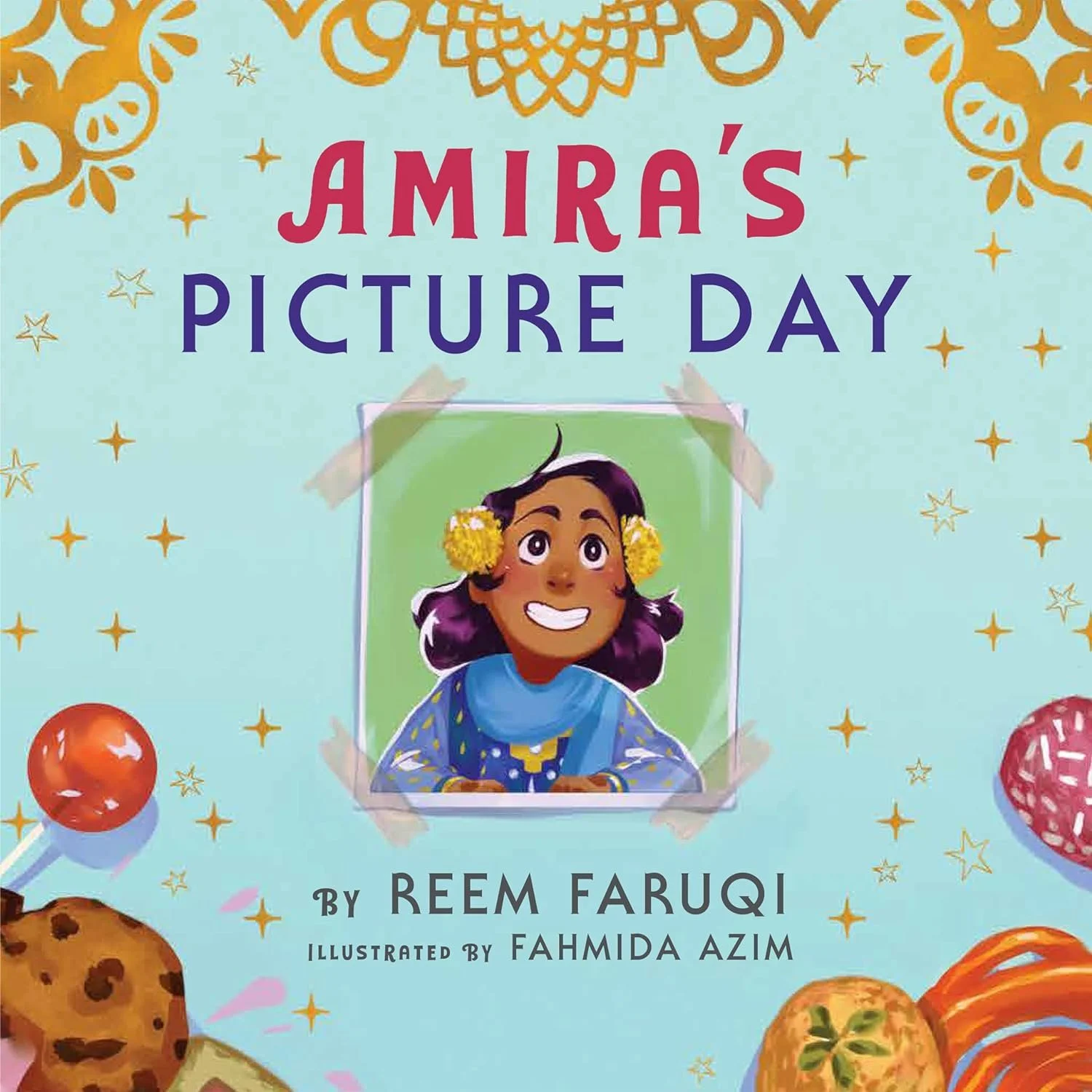
Amira’s Picture Day
Written by Reem Faruqi and illustrated by Fahmida Azim
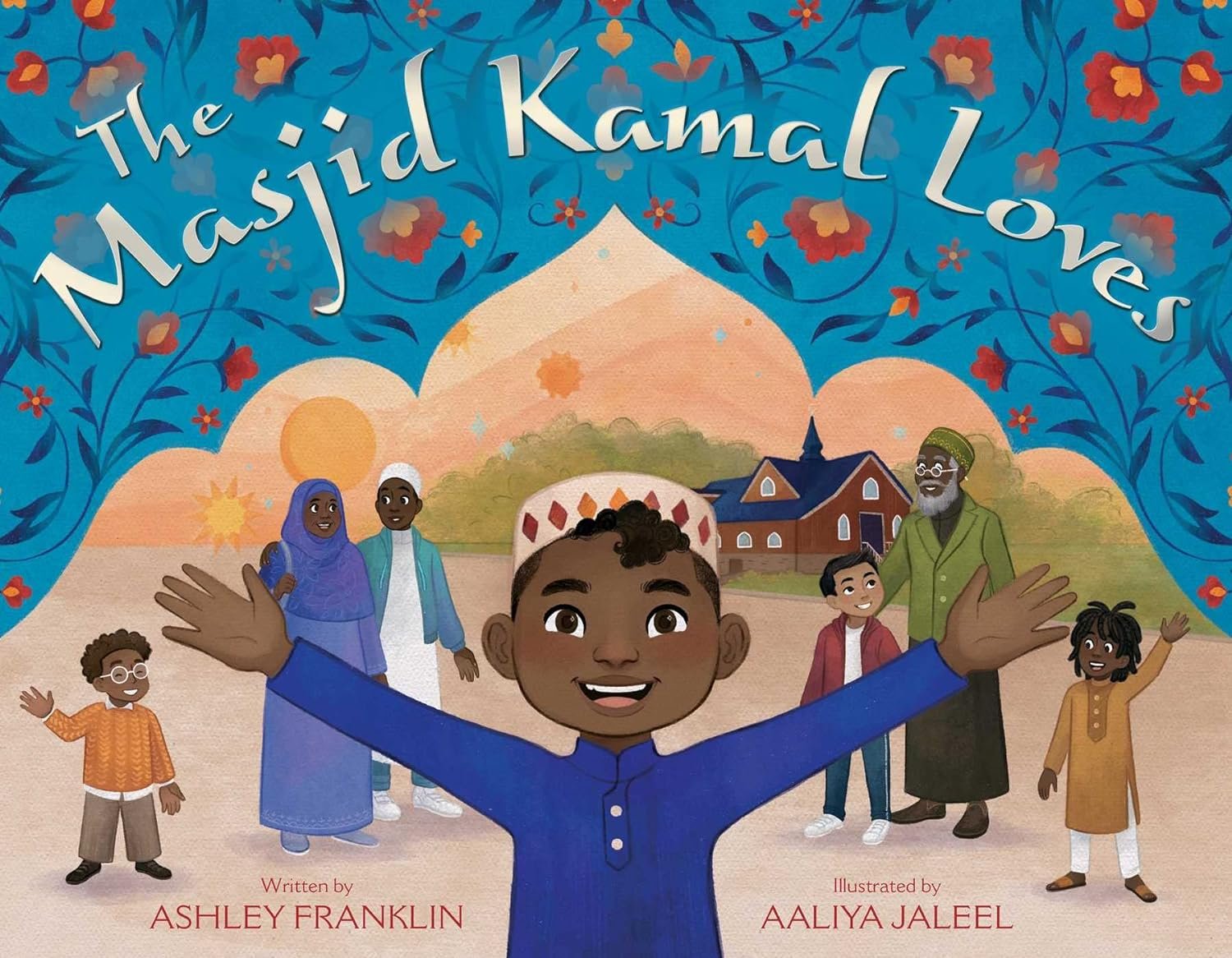
The Masjid Kamal Loves
Written by Ashley Franklin and Illustrated by Aaliya Jaleel
Elementary Books:
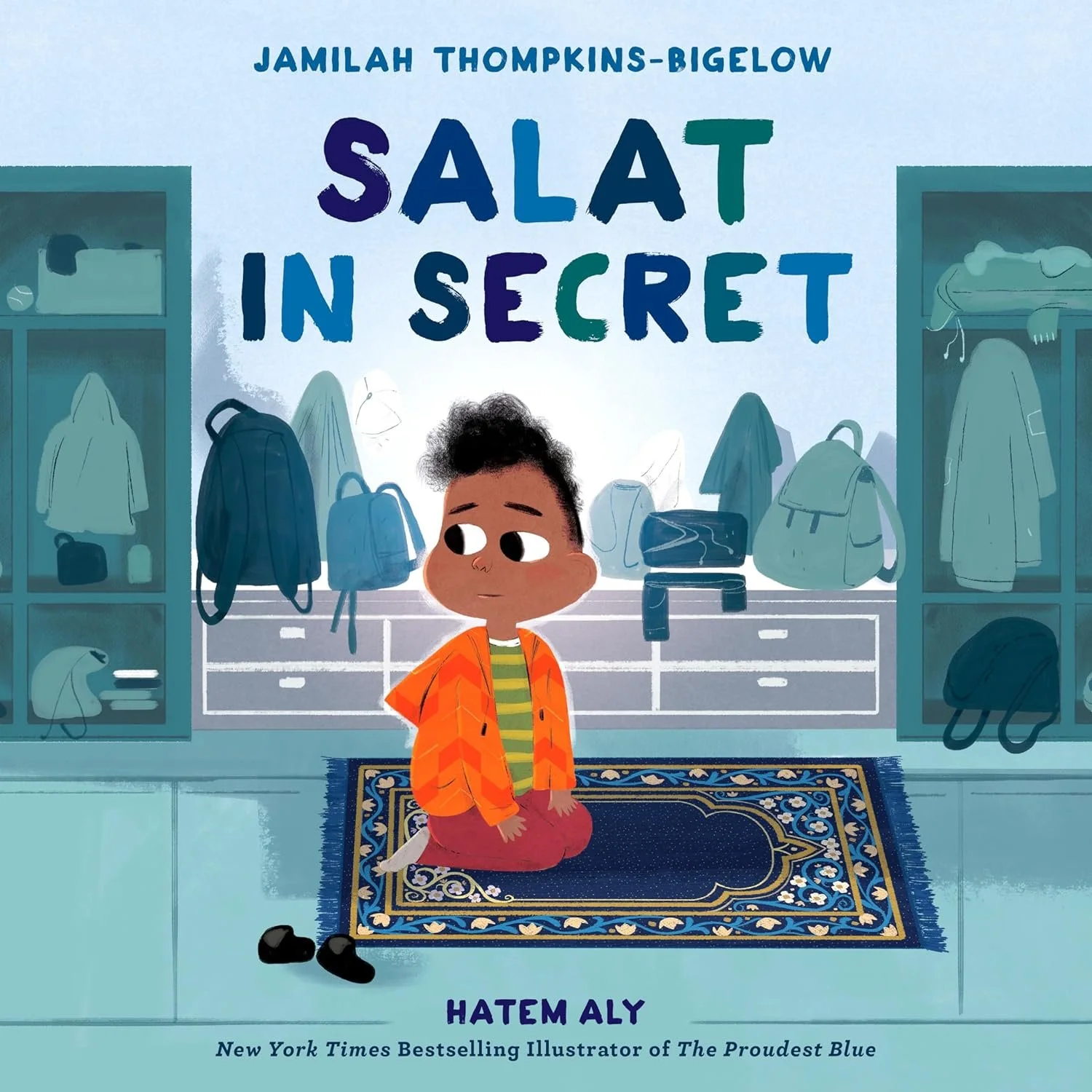
Salat in Secret
Written by Jamilah Thompkins-Bigelow Illustrated by Hatem Aly
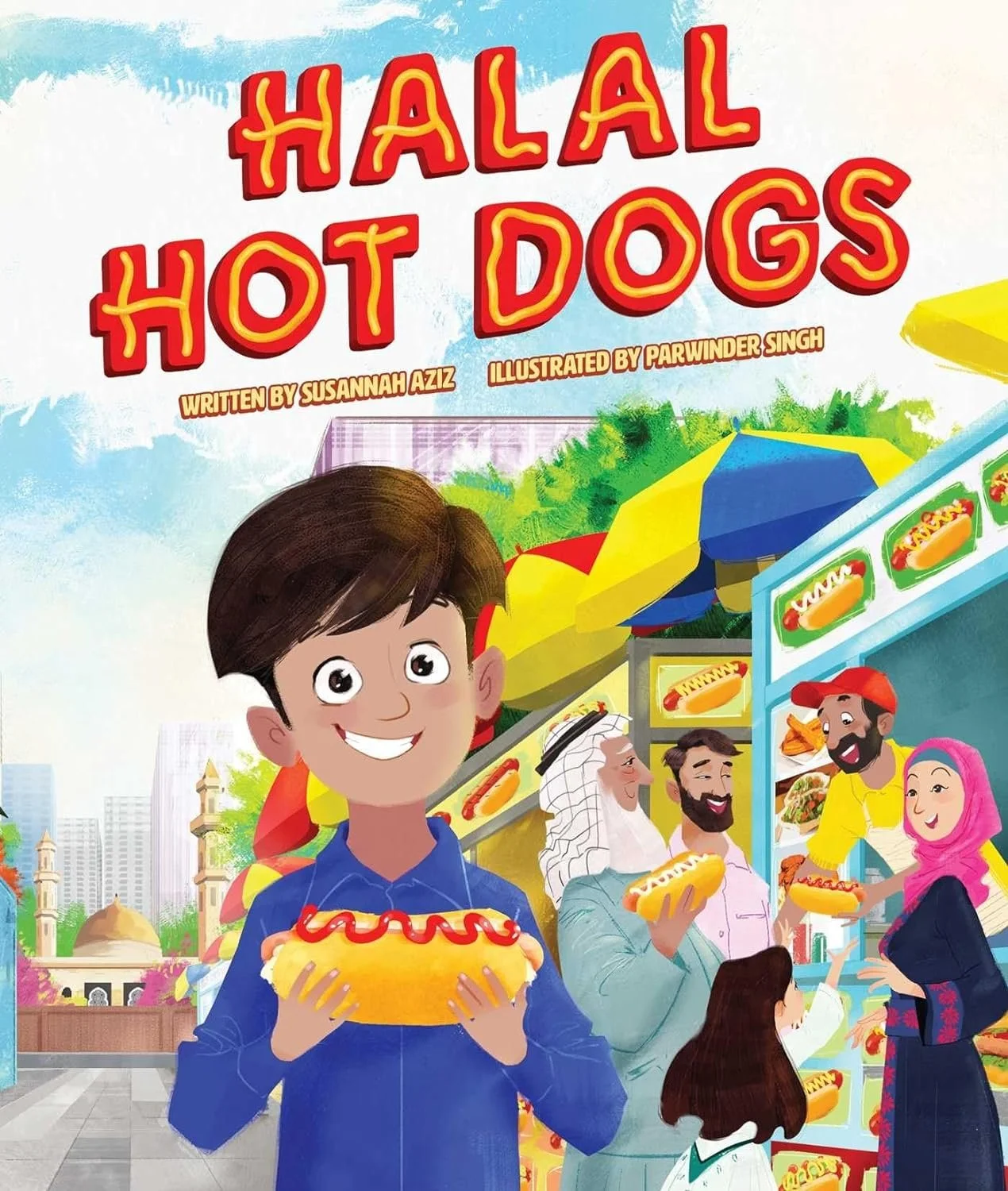
Halal Hot Dogs
Written by Susannah Aziz and Parwinder Singh
Identity Statements:
We are a family who see each individual.
We explore many stories about each group of people.
Bookmarks
Bookmark for Amira’s Picture Day & The Masjid Kamal Loves
Bookmark for Salat in Secret and Halal Hot Dogs
A few pointers for using these books:
1. Your child will need to know the words “Islam” and “Muslim.” Here’s a kid-friendly definition: Islam is a religion that believes in one god (the same god worshiped in Judaism and Christianity) and the teachings of the prophet Muhammad. The holy book of Islam is called the Quran. People who follow Islam are called Muslim. (For more information on the history of Muslims in America, check out resources here and here.
2. All of these books include detailed author’s notes. We suggest that you read these notes for more context before you read the story with your kids.
3. The first time you sit down with these two books, read them back-to-back. This will help you practice individuating and will create rich dialogue around ideas your children might be forming about Muslim people. Remember that no one book or pair of books can single-handedly teach us how to individuate.
Check Out More Books!
These booklists provide additional titles focused on Muslim stories and stories from the Asian Diaspora. We encourage you to explore individuating and the danger of a single story within your home library as well.
Glossary of Terms
We’ve created this glossary of terms for you and your children to provide definitions that are used throughout our curriculum. If there are terms we use that you would like to see added to this glossary, let us know!
Why this Matters:
If our kids see individuals as unique people, they will be less likely to group people into categories and believe or create stereotypes. Individuation “has long been considered critical for reducing prejudice” (Cloutier, Li, and Correll, 2014).
Understanding Islam For Individuating
Islam is a rich and diverse faith grounded in the Five Pillars of Islam fundamental practices and beliefs that guide the lives of Muslims. These pillars are Shahada (faith), Salat (prayer), Zakat (charity) Sawm (fasting during Ramadan), and Hajj (pilgrimage to Mecca). Complementing these practices, the festival of Eid al-Fitr marks the end of Ramadan bringing together families for gatherings, feasting, and extending help to the less fortunate, embodying gratitude and community spirit. The faith places a strong emphasis on community, compassion, and moral living, encouraging followers to seek knowledge, act justly, and strive for peace in their interactions.
Central to daily life in Islam is adhering to a halal diet, which involves consuming food permissible under Islamic law. This aspect of Muslim practice underscores the importance of cleanliness, health, and ethical treatment of animals. Equally important are mosques, known as masjids, which serve as spaces for worship and community gathering. Beyond prayer mosques are hubs for education, social welfare, and community events integral to the cultural and religious life of Muslims.
You may notice in some of the books we read that the characters practice gender separation within the mosque. This practice is seen as a way to ensure comfort and focused workshop for both men and women and not indicative of gender bias. This practice varies widely among different cultures and Islamic communities. It’s important to approach this aspect of Islamic practice with an open mind, recognizing that these traditions are part of a complex cultural and religious tapestry.
While Islam encompasses a common set of beliefs, practices, and traditions it’s important to remember that these are expressed uniquely by individuals within the Muslim community. This diversity reflects the rich tapestry of cultures, ethnicities, and personal interpretations that make up the global Muslim population. When discussing traditions or practices that are widely observed, it’s essential to acknowledge that they do not define the entirety of a person’s identity or experience.
As parents, this means teaching children to see Muslims as individuals with their own stories rather than as representatives of a monolithic group. Encouraging this nuanced understanding helps counter the oversimplification of diverse groups and fosters a more empathetic and informed worldview in children. This approach not only enriches their understanding of Islam but also equips them to appreciate the diversity and complexity inherent in all cultures and communities.
What the Research says:
Some children think race is a biological category. Race is not biological; it is a social construct.
Here are two resources to deepen your understanding of race:
A Family Guide to Talking About Race
Teaching Diversity: The Science You Need to Know to Explain Why Race is Not Biological
Researchers have studied how children think about categories and what that tells us about how they think about race. Specifically, researchers were interested in how language helps children learn categories. Hearing the word “tigers” helps children form a category - it helps them understand that the different animals called tigers are similar to each other, and then if they learn something about one tiger (it eats meat), it probably applies to other tigers too.
One question researchers explored was if children learn more about race categories through language (“Blacks,” “Whites”) in the same way. To seek more understanding, the researchers made up a category of people, “Zarpies.” They had two groups of children. One group heard a story that described Zarpies as a category (“Zarpies are scared of ladybugs”), while the other group heard a story that described Zarpies as individuals (“this Zarpie is scared of ladybugs”). To see if children thought of Zarpies as a category, the researchers asked children if they thought all Zarpies were afraid of ladybugs, and, if so, if it was because they were Zarpies. Kids who had heard Zarpies as a category (“Zarpies are scared of ladybugs”) believed that all Zarpies were afraid, while kids who heard the story that stated “this Zarpie is afraid of ladybugs” did not believe all Zarpies were afraid, just the one that was mentioned. (Rhodes, et al, 2012)
Do’s and Don’ts
DO: Use specific language to describe race as it relates to particular individuals. (“Connor is on my soccer team. He’s Black, has braces, and is a great writer.”)
DO: Discuss race as a characteristic that makes us who we are. Reflect on race in the same way you would reflect on another physical characteristic, such as eye color or hair color.
DO: Look for books that tell lots of different stories about a group of people. For example, look for Muslim stories that include Middle Eastern cultures as well as stories that include cultures from the African Diaspora or from Southeast Asia.
DO: Look for books that counter stereotypes around the intersection of identities, for example race and wealth.
DO: Define the word “stereotype” for your child. You might say “a stereotype is an idea many people have about a group of people that is often based upon how they look on the outside. This may be only partly true or it may be untrue. Here’s an example: ‘Girls like pink.’ Some girls like pink, but not all girls do.”
DO: Point out stereotypes in books. You might say, “Hmm. I notice that all the kids with brown skin live in apartments. Do you think this is true for all kids with brown skin? I don’t.” Offer counter examples from your life, other books, tv shows or movies.
DON’T: use race as a primary identifier for an individual, something White people tend to do only when discussing BIPOC individuals. (“A Black woman at the grocery store complimented my outfit.”)
What you or your kids may ask:
“Where can I find more books that counter stereotypes and tell many stories about different groups of people?”
Diverse Books Finder is a searchable database of more than 3,000 picture books featuring Black, Indigenous, and People of Color (BIPOC). You can use the Search Tool to find books by subject, race, genre, gender, awards, etc.
Colors of Us has 500+ children’s books that can be sorted by ethnicity and age or provided in a booklist. Sign up for the smiling list and get recommendations straight to your inbox.
Challenge the single stories of groups of people by reading multiple books, having conversations, and drawing on your experiences. Here is a go-to set of questions to use when you encounter a single story in a book:
We just read this book about a person who is ______.
What did we learn about the people who are ______?
You’re right, ____ in this book is _____. But that’s not always true for ____. OR Oh, what in the book made you think that? Yes, that does happen in this book. But also [provide a specific counter example of someone they know.]